Extracorporeal Membrane Oxygenation (ECMO)
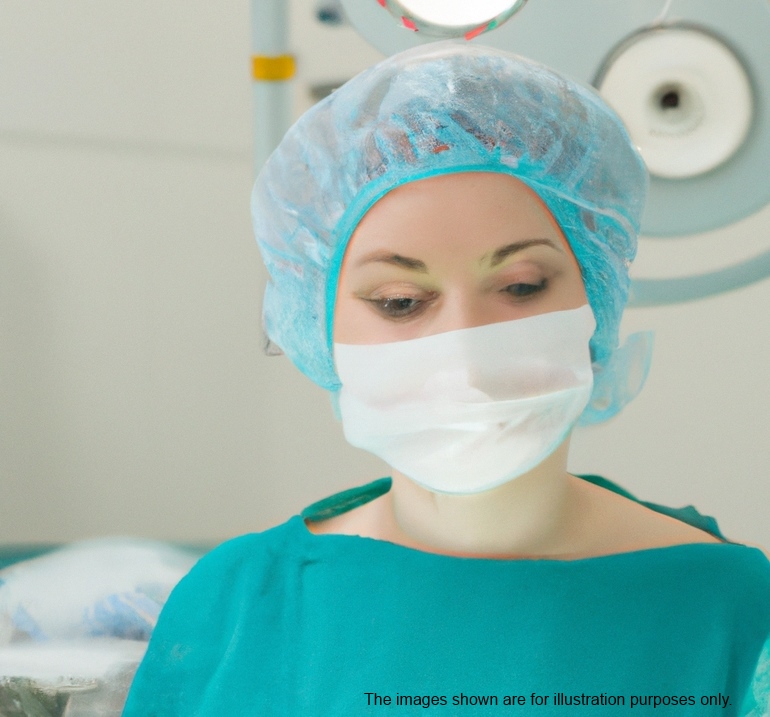
In critical care medicine, extracorporeal membrane oxygenation (ECMO) is an
extracorporeal method used to provide both cardiac and respiratory support
oxygen to patients whose heart and lungs are severely diseased or damaged,
rendering them unable to function adequately. The initial cannulation of a
patient undergoing ECMO is performed by a surgeon, and the maintenance of
the patient falls under the responsibility of the ECMO Specialist, who
provides 24/7 monitoring and care during the ECMO treatment period.
One of the emerging applications of ECMO is in adults and children with H1N1
flu. It is also employed with children who have respiratory syncytial virus
infections. ECMO therapy ensures oxygenation until the lung function has
sufficiently recovered to maintain appropriate O2 saturation, often serving
as a last resort option.
Its efficacy in saving newborns' lives is approximately 75%. Newborns
weighing under 4.5 pounds (2.0 kg) cannot undergo ECMO because their
extremely small vessels hinder adequate flow due to limitations in cannula
size, resulting in higher resistance to blood flow. Therefore, ECMO cannot
be used for most premature newborns.
ECMO has demonstrated effectiveness in treating severe trauma or polytrauma
patients.
Acute Respiratory Failure
ECMO has been shown to improve survival rates in cases of acute respiratory
failure. Observational and uncontrolled clinical trials have reported
survival rates ranging from 50% to 70%, surpassing historical survival
rates.
Cardiac Failure
Although ECMO's use for cardiac failure has been less extensively studied
than for severe acute respiratory failure, additional research is needed
before it becomes a routine treatment for cardiac failure.
Other Applications
ECMO use on cadavers can increase the viability rate of transplanted organs.
An ECMO machine resembles a heart-lung machine. To initiate ECMO, cannulae
are inserted into large blood vessels to access the patient's blood.
Anticoagulant drugs, typically heparin, are administered to prevent blood
clotting. The ECMO machine continuously pumps blood from the patient through
a membrane oxygenator that mimics the gas exchange process of the lungs,
removing carbon dioxide and adding oxygen. Oxygenated blood is then returned
to the patient.
System Management
ECMO is initiated and installed by a surgeon, while maintenance and
management of the ECMO circuit are handled by a team or individual known as
an ECMO Specialist. ECMO specialists are usually respiratory therapists,
registered nurses, or perfusionists trained in this specialty.
Types
There are several forms of ECMO, with veno-arterial (VA) and veno-venous
(VV) being the two most common. In both modalities, blood is oxygenated
outside the body after being drained from the venous system. In VA ECMO, the
oxygenated blood is returned to the arterial system, whereas in VV ECMO, it
is returned to the venous system. VV ECMO does not provide cardiac support.
Veno-Arterial (VA)
In VA ECMO, a venous cannula is typically inserted into the right common
femoral vein for blood extraction, while an arterial cannula is placed into
the right femoral artery for blood infusion. The tip of the femoral venous
cannula should be positioned near the junction of the inferior vena cava and
right atrium, while the tip of the femoral arterial cannula is maintained in
the iliac artery. In adults, accessing the femoral artery is preferred due
to simpler insertion.
Veno-Venous (VV)
In VV ECMO, venous cannulae are typically placed in the right common femoral
vein for drainage and the right internal jugular vein for infusion.
Duration
VV ECMO can provide adequate oxygenation for several weeks, allowing
diseased lungs to heal while avoiding potential additional injury from
aggressive mechanical ventilation. It may thus be life-saving for some
patients. However, due to the high technical demands, cost, and risk of
complications, such as bleeding under anticoagulant medication, ECMO is
usually considered only as a last resort.
The typical duration for a newborn on ECMO is around 21 days. The longest
survivor on ECMO was recorded on January 30, 2008, when a patient at NTU
hospital, Taiwan, survived a drowning accident after 117 days of ECMO
application.
Complications
Neurological injury, including subarachnoid hemorrhage, ischemic watershed
infarctions, hypoxic-ischemic encephalopathy, unexplained coma, and brain
death, is a common consequence in ECMO-treated adults. Fatal sepsis may
occur due to infection in the large catheters inserted in the neck.
Additional risks include bleeding. In adults, ECMO survival rates are
approximately 60%. ECMO has not yet shown a survival benefit in adults with
acute respiratory distress syndrome (ARDS). In VA ECMO, patients whose
cardiac function does not recover sufficiently to be weaned from ECMO may be
bridged to a ventricular assist device (VAD) or transplant.
In infants aged less than 34 weeks of gestation, several physiological
systems, especially the cerebral vasculature and germinal matrix, are not
well-developed, resulting in high sensitivity to slight changes in pH, PaO2,
and intracranial pressure. Preterm infants are at a high risk of
intraventricular hemorrhage (IVH) if administered ECMO at a gestational age
less than 32 weeks. Even later, given the risk of IVH, it has become
standard practice to perform brain ultrasounds before administering ECMO.
Heparin-Induced Thrombocytopenia
Heparin-induced thrombocytopenia (HIT) is increasingly common among patients
receiving ECMO. When HIT is suspected, the heparin infusion is typically
replaced by a non-heparin anticoagulant.
VA-Specific Complications:
• Pulmonary hemorrhage
• Pulmonary infarction
• Aortic thrombosis
• Cerebral hypoxia
folder_open Medical Procedures