Post Anesthesia Care Unit (PACU)
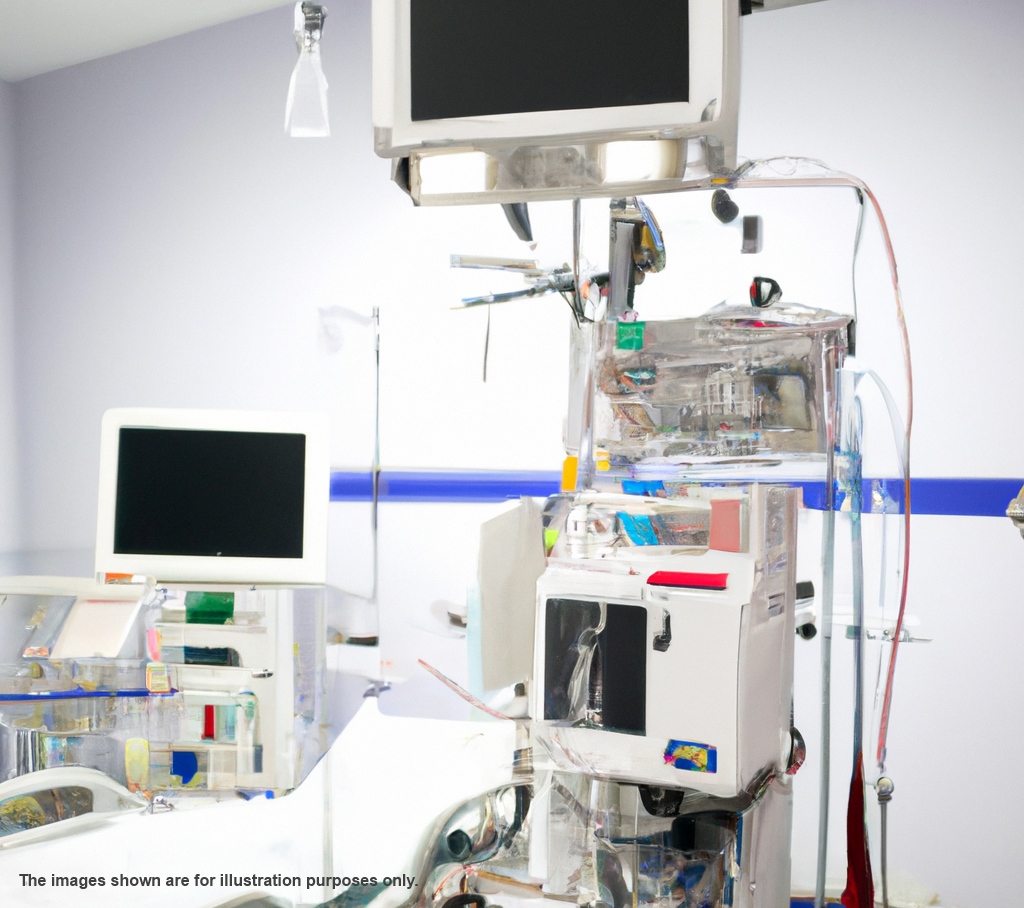
The post-anesthesia care unit (PACU), sometimes known as post-anesthesia
recovery (PAR), is a critical component of medical facilities like hospitals
and ambulatory care centers. Attached to operating theater suites, it serves
as a space dedicated to the recovery of patients following anesthesia,
whether it's general, regional, or local.
Highly trained nurses typically make up the PACU staff, tasked with crucial
responsibilities for post-anesthesia and post-operative care. These include
monitoring vital signs such as heart rate, blood pressure, temperature, and
respiratory rate, managing post-operative pain, addressing symptoms of
postoperative nausea and vomiting (PONV), and treating postanesthetic
shivering. Additionally, they keep a close watch on surgical sites for signs
of complications like bleeding, discharge, swelling, hematoma, or redness.
In certain cases, more intensive care or treatment is necessary, such as
preparing and educating patients for the use of Patient Controlled Analgesia
(PCA) units, establishing IV, epidural, or perineural infusions, or setting
up invasive monitoring like arterial lines or central venous lines.
Although rare, life-threatening complications such as laryngospasm,
respiratory arrest, or malignant hyperthermia can occur post-anesthesia. In
such instances, interdisciplinary care involving anesthesiologists,
Certified Nurse Anesthetists or CRNAs, PACU nurses, and surgeons is crucial.
Generally, patients spend only a few hours in the PACU before being
discharged home or transferred to another department, unless complications
arise, necessitating further care or re-intubation due to conditions like
anaphylaxis, pulmonary edema, pneumothorax, or prolonged exposure to
anesthesia and narcotics during surgery.
undo Intensive Care Unit (ICU)